
Maynard Ferguson and George Redman,
October–December 1953
By Thomas Herb
Introduction
In the fall of 1953, Maynard Ferguson had not yet secured a permanent position with the Paramount Studios Orchestra, though he was finding steady contract work as a studio musician on several films. [1] At the same time, he was involved in a lesser-known pursuit — performing live six nights a week at the Stadium Club with a group led by George Redman. Drawing on press articles, advertisements, reviews, and an American Federation of Musicians contract, this article reconstructs the chronology of that engagement, including a studio recording session by the George Redman Group including Maynard Ferguson.
George Redman and the Stadium Club
In the summer of 1953, drummer George Redman’s group began hosting Jitterbug contests on Tuesday nights at the Stadium Club in Los Angeles. On other evenings, the club featured mambo music and performances by the vocal group the Varieteers. By August, Kay Brown, Maynard Ferguson’s wife at the time, was advertised as singing with the Varieteers. This weekly schedule of Jitterbug contests on Tuesdays, mambo music on Wednesdays, and Varieteers performances on the remaining nights continued through September 1953.
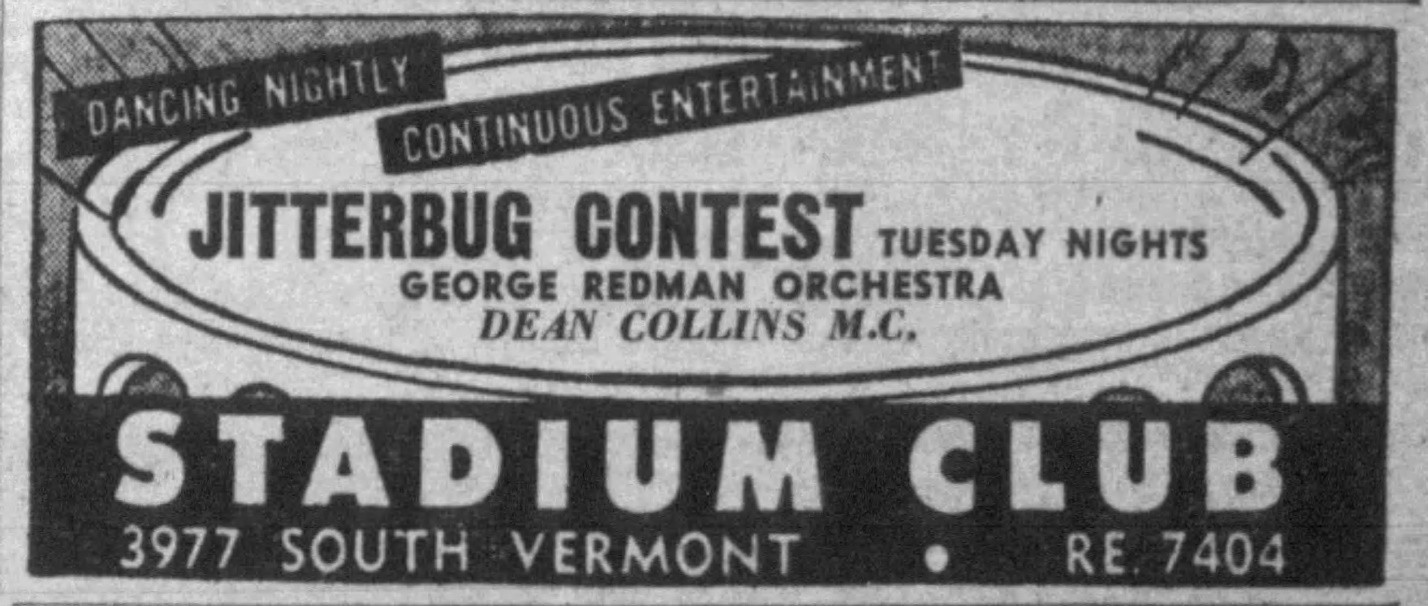
Figure 1. Advertisement in Los Angeles Daily News June 23, 1953: 13
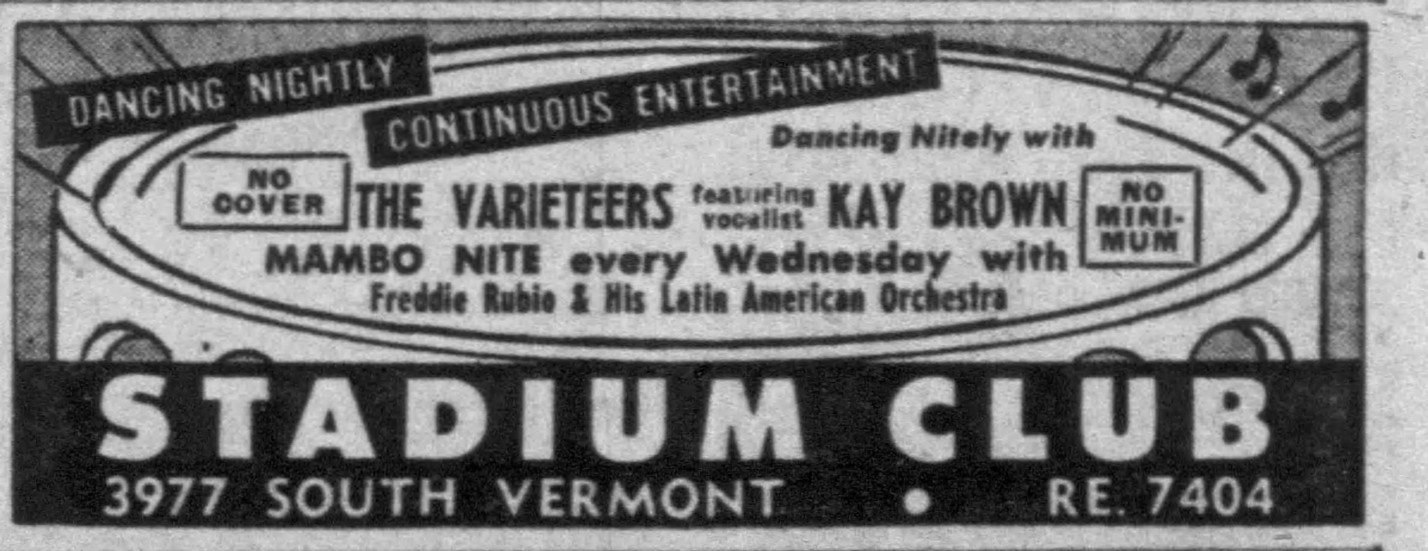
Figure 2. Advertisement in Los Angeles Mirror August 14, 1953: 21
The Jitterbug contests proved popular enough that Redman secured a full-time engagement at the Stadium Club, allowing him to form a steady working band. Vivien Garry, a respected bassist and singer in the Los Angeles scene, was later invited to join the ensemble. Garry was married at the time to saxophonist Jimmy Giuffre, who would later compose “Blue Birdland,” which became Ferguson’s theme song for the next fifty years. Garry listed the members as pianist Maury Dell, trumpeter Maynard Ferguson, herself on bass and vocals, and Redman on drums. Recalling the experience, she wrote: “We quickly acquired a good reputation around town for the crowds we drew. [...] George put on jitterbug contests as that was the biggest thing going at the time. [...] To work steady again was going to be great.... The group was tops, and I felt good playing with such high-caliber musicians.” [2]
By October 1953, Redman’s group included Bill Perkins (tenor saxophone), Maynard Ferguson (trumpet), Maury Dell (piano), and Vivien Garry (bass and vocals). Local music columnist Ray Hewitt regularly mentioned the ensemble in his Los Angeles Daily News column, which spotlighted the city’s vibrant jazz scene.
George Redman and his Orchestra, currently at the Stadium Club. Featured in the band is Maynard Ferguson, one of the top trumpet men in the country. Vivian Garry is a delightful addition. Redman’s group appears every nite except Wednesday and Sunday when Freddie Rubio and band play for Mambo. There is a Mambo contest on these nights and a Jitterbug contest on Tuesday nites. [3]
George Redman’s orchestra which has been greatly enhanced by the addition of Maynard Ferguson’s high note trumpet and beautiful blonde vocalist Vivien Garray. Tuesday nights there’s a Jitterbug contest. [4]
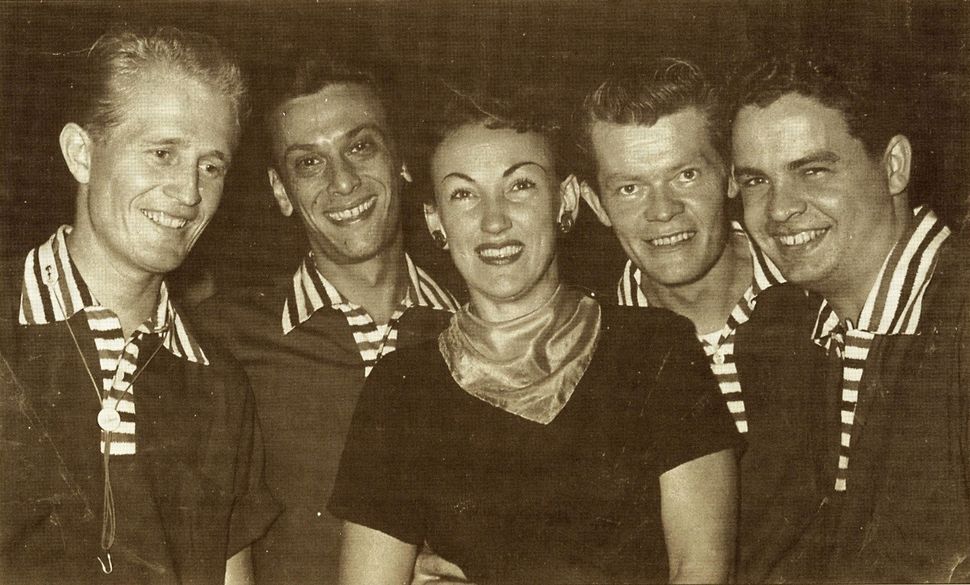
Figure 3. (l-r): Bill Perkins, Maury Dell, Vivien Garry, George Redman, and Maynard Ferguson. [5]
The Recording Session
On October 24, 1953, from 1–4 p.m. Ferguson recorded four sides with the George Redman group at Gold Star Studios in Hollywood. An AFM contract confirms both the session date and the personnel. The lineup closely matched the Stadium Club ensemble, but with Fawn Jacque Higgs replacing Garry on vocals and Harry Babasin taking over on bass.
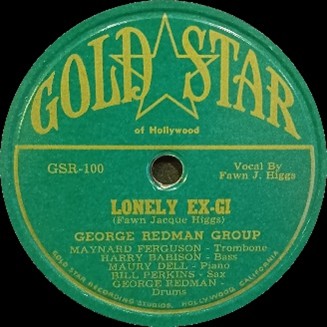

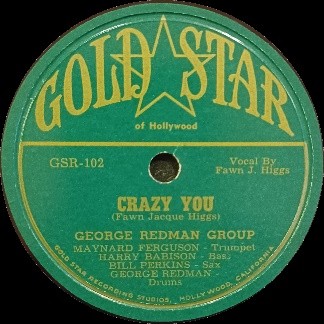
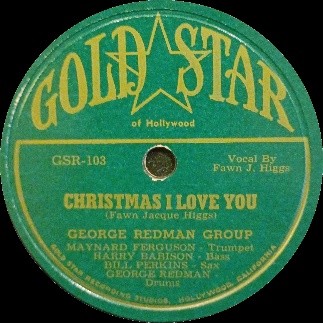
The four tracks, all compositions by Fawn J. Higgs were released on Gold Star Records of Hollywood as two 10-inch 78 rpm discs and feature Higgs as vocalist throughout. The instrumental backing is understated, with Ferguson and Perkins contributing low-register harmonized figures behind Higgs’s vocals. None of the instrumentalists takes solos or otherwise stands out in the mix. These recordings remain the only known documentation of the Redman–Ferguson collaboration and are highly sought after by collectors. Based on contemporary reviews of their live performances with Garry, the Stadium Club gigs likely had a much different sound and energy. Unfortunately, no live recordings from that engagement have yet surfaced.
Continued Engagement at the Stadium Club
The Redman group’s residency continued through November with enthusiastic press coverage, including Down Beat. [8] A Sunday afternoon jazz concert was added, giving the band a six-nights-a-week schedule.
The Stadium Club’s new Jazz Concert on Sunday afternoons has really caught on with the “cats.” We dropped in last Sunday and the place was packed with toe tapping patrons. Hardly anyone was dancing, just listening to George Redman and his Orchestra with high trumpet man Maynard Ferguson really giving out. Lovely Vivian Garry doubles as vocalist and bass player and does a great job on both. [9]
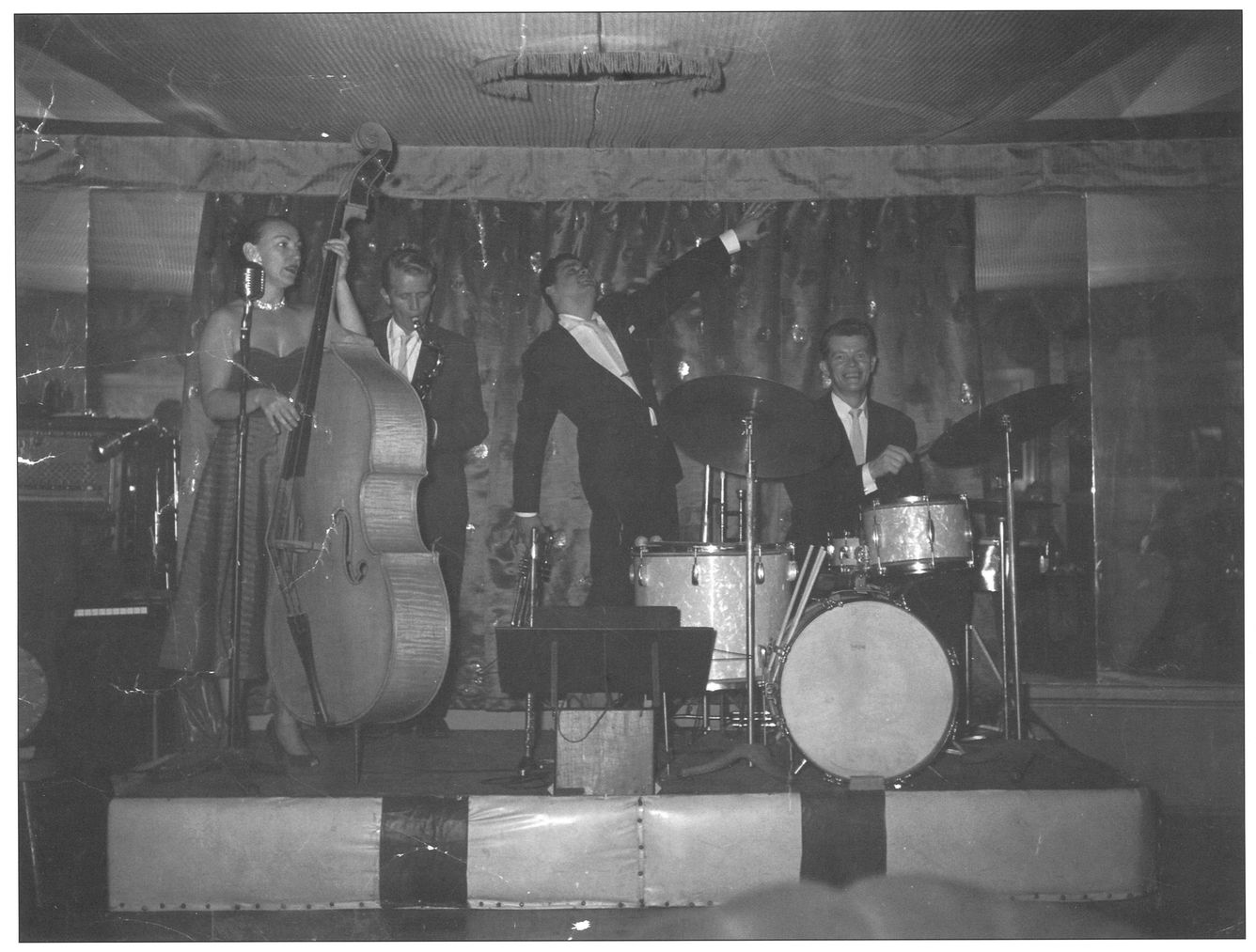
Figure 8. (l-r): Vivien Garry, Bill Perkins, Maynard Ferguson, George Redman at the Stadium Club. [10]
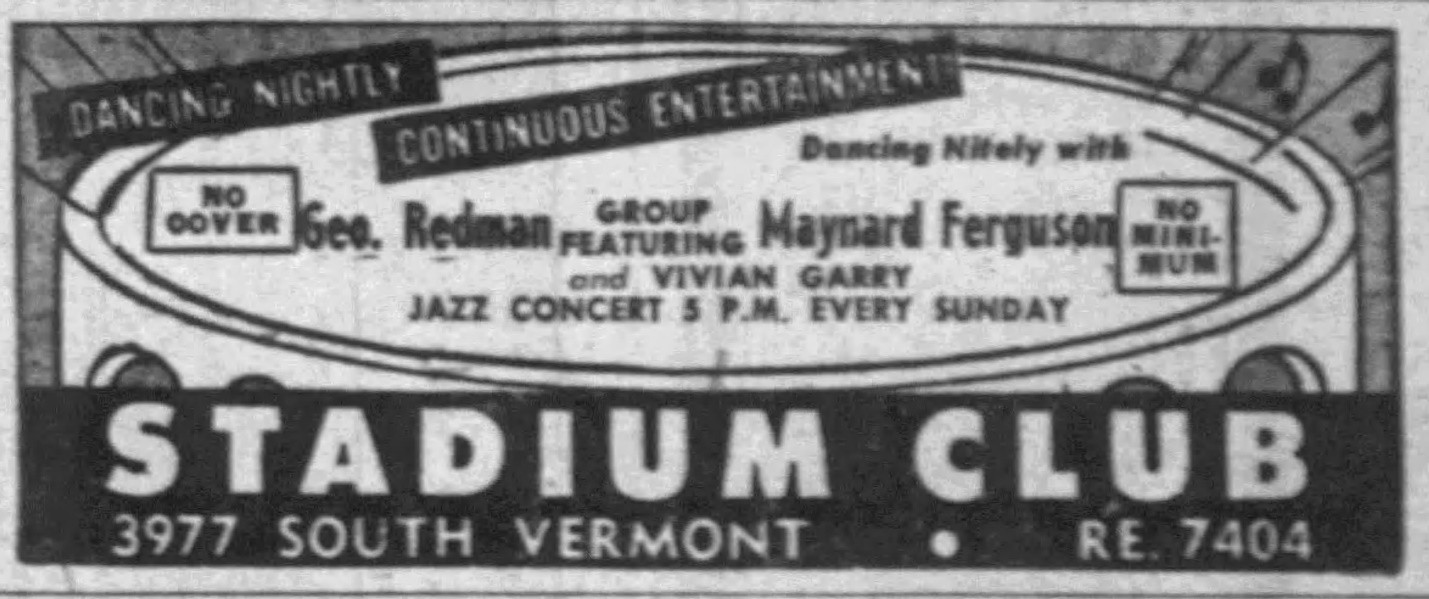
Figure 9. Advertisement in Los Angeles Daily News November 15, 1953: 56.
Ferguson Moves On
The final advertisement for the Redman group at the Stadium Club appeared on December 2. Two days later, The Valley Times announced Ferguson’s new engagement at the Hat and Cane Supper Club, opening Sunday, December 6, with his jazz quintet. In a pre-opening interview, Ferguson described a “celebrities every night” policy, noting his associations with Jerry Lewis, Dean Martin, Bing Crosby, Joni James, and his wife, Kay Brown, who would also “perform her bit for the patrons.” [11]
A later review called it a “bang-up opening” that continued to draw jazz lovers nightly. [12] No other personnel have been identified for this engagement. Ferguson continued to be advertised at the Hat and Cane through December 17.
Beginning December 19, he was featured in advertisements for Sunday jam sessions from 4–8 p.m. at the Stroller’s Club — appearances that would be promoted dozens of times between 1953 and 1955.
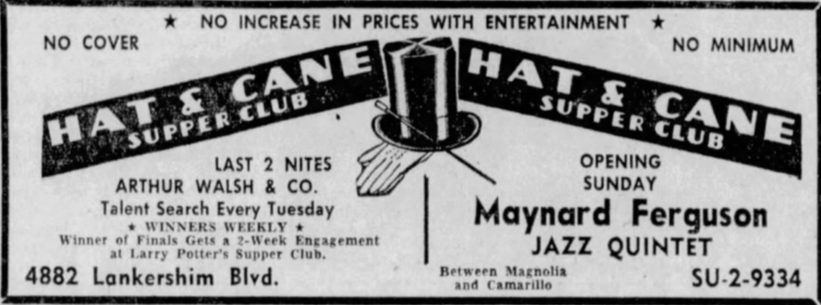
Figure 10. Advertisement in The Valley Times December 4, 1953: 9.
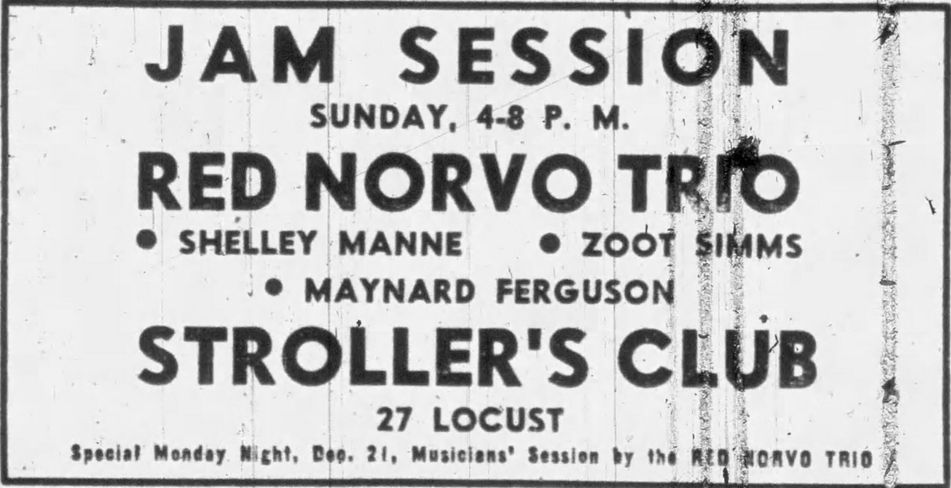
Figure 11. Advertisement in Long Beach Press-Telegram December 19, 1953: 11.
Bibliography
- Bush, Bill. “The Boulevard Beat,” The Valley Times, December 11, 1953: 9.
- Harrod, James. “Vivien Garry on Record,” Jazz Research, June 21, 2021. https://jazzresearch.com/vivien-garry-on-record/
- Hewitt, Ray. “The Spotlighter,” Los Angeles Daily News, November 11, 1953: 35.
- Martyn, Vivien. The Blues in “B” Flat. Tucson, AZ: Past Litho, 1998.
- Tracy, Jack. “In This Corner,” Down Beat 20, no. 25 (December 16, 1953): 2.
References
[1] Thomas Herb, “Maynard Ferguson: The Soundtrack Era (1953–1957).” Current Research in Jazz 16 (2024). https://www.crj-online.org/v16/CRJ-FergusonSoundtrackEra.php
[2] Vivien Martyn, Blues in “B” Flat (Tucson, AZ: Past Litho, 1998), 65.
[3] Los Angeles Daily News, October 14, 1953: 26.
[4] Los Angeles Daily News, October 21, 1953: 28.
[5] Uncredited photo appears in Vivien Martyn, Blues in “B” Flat (Tucson, AZ: Past Litho, 1998), 11.
[6] Images courtesy of John Himes.
[7] Images courtesy of John Himes.
[8] Jack Tracy, “In This Corner,” Down Beat 20, no. 25 (December 16, 1953): 2.
[9] Ray Hewitt, “The Spotlighter,” Los Angeles Daily News, November 11, 1953: 35.
[10] Uncredited photo appears in Vivien Martyn, Blues in “B” Flat (Tucson, AZ: Past Litho, 1998), 69.
[11] Bill Bush, “The Boulevard Beat,” The Valley Times, December 11, 1953: 9.
[12] The Valley Times, December 10, 1953: 50.
Author Information:
Thomas Herb currently serves as Professor of Music Education and as the Director of the Graduate Music Education program at Southern Utah University. He has published articles in several music education books, including the Teaching Music through Performance in Band series (GIA Publications), and his own book Teaching Improvisation...in Concert Band?!? (MVP Publishing). An avid jazz devotee, he performs over fifty times a year with local jazz combos and is the Founder/Director of The Jazz Alliance of Cedar City which brings jazz performances to Cedar City. He also considers himself an enthusiastic amateur in regards to jazz research, with bandleader Maynard Ferguson as his specialty. He lives in Cedar City, Utah with his wife and four growing children.
Abstract:
The article provides a historical account of a brief period in trumpeter Maynard Ferguson’s career during his stay in Los Angeles before he was employed as a full-time member of the Paramount Studios orchestra. Club performances and a recording session with drummer George Redman’s group are detailed.
Keywords:
Maynard Ferguson, George Redman, Vivien Garry, Fawn J. Higgs, Stadium Club, Gold Star Records, Los Angeles, California, jazz
How to cite this article:
- Chicago: Herb, Thomas. “Maynard Ferguson and George Redman, October–December 1953.” Current Research in Jazz 17 (2025). Accessed [date of access]. https://www.crj-online.org/v17/CRJ-FergusonRedman.php.
- MLA: Herb, Thomas. “Maynard Ferguson and George Redman, October–December 1953.” Current Research in Jazz vol. 17, 2025, https://www.crj-online.org/v17/CRJ-FergusonRedman.php. Accessed [date of access].
- APA: Herb, T. (2025). Maynard Ferguson and George Redman, October–December 1953. Current Research in Jazz, 17. https://www.crj-online.org/v17/CRJ-FergusonRedman.php
For further information, please contact:




Except where otherwise noted, content on this site is licensed under a Creative Commons Attribution 3.0 License
This page last updated December 31, 2025, 13:56